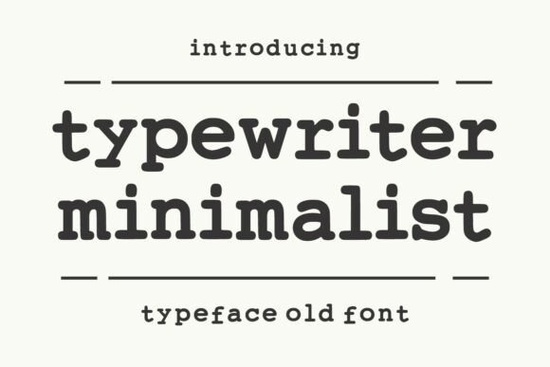
If you’ve ever wanted to add a touch of vintage charm without losing clarity or modern usability, the Typewriter Minimalist Font might be exactly what your next project needs. It’s not just another retro typeface it’s built for real use. Whether you’re designing book covers, branding materials, or printable stationery, this font brings the warmth of old typewritten pages while keeping everything legible and professional.
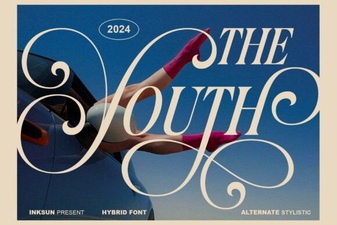
What makes it stand out is how thoughtfully it balances nostalgia with function. The monospaced letterforms echo classic mechanical typewriters, but each character has been gently refined rounded terminals, consistent spacing, subtle curves so nothing feels stiff or outdated. You can pair it confidently with more modern fonts like The Youth for contrast, or let it carry a whole layout on its own.
Who actually uses a font like this?
It’s surprisingly versatile. Print-on-demand sellers love it for journal covers and quote prints because customers respond to that “hand-typed” authenticity. Small businesses use it in packaging labels or shop signage to feel personal and grounded. Designers working on editorial layouts or indie magazines choose it to give articles a literary, timeless tone. Even crafters making custom wedding invitations or greeting cards find it adds personality without overwhelming the design.
And if you’re into vintage branding think coffee shops, bookstores, artisan goods this font slots right in. It doesn’t scream “retro.” Instead, it whispers it, which often works better for building trust and familiarity.
How does it compare to other serif fonts with vintage vibes?
Not all serif fonts play well in both print and digital. Some feel too ornate, others too rigid. Typewriter Minimalist avoids both traps. It’s got enough character to feel intentional, but not so much that it distracts from your message.
For example, if you’ve tried Semika, you know it leans more elegant and calligraphic great for luxury or feminine brands. But when you need something with grit, history, and quiet confidence, Typewriter Minimalist fills that role. It also pairs naturally with minimalist sans-serifs or even handwritten scripts for layered, tactile designs.
What kinds of projects work best with this font?
- Book covers and chapter headings especially for memoirs, poetry, or historical fiction.
- Editorial layouts pull quotes, bylines, or mastheads in zines or small magazines.
- Stationery sets notepads, thank-you cards, or planner inserts.
- Social media graphics quotes, announcements, or product teasers that need a human touch.
- Packaging and labels for candles, preserves, coffee bags, or handmade goods.
- Wedding or event invites when you want something warm and personal, not overly formal.
One thing to note: because it’s monospaced, avoid using it for long paragraphs unless you’re going for that deliberate, typewriter-document effect. For body text, pair it with a clean sans-serif or a more neutral serif like its own lighter weights if available.
Any tips for styling it without overdoing the vintage look?
Absolutely. Here’s how to keep it fresh:
- Use generous line spacing. Monospaced fonts benefit from extra breathing room try 1.5x or more.
- Stick to one weight per layout. Unless you’re layering intentionally, mixing bold and regular can feel cluttered.
- Pair with simple backgrounds. Let the texture of the font shine avoid busy patterns or gradients.
- Add subtle imperfections elsewhere. A faint paper texture or hand-drawn underline can enhance the vibe without competing.
You don’t need to go full sepia-toned to make this font work. Sometimes, placing it on a crisp white background with modern color accents (think muted sage, terracotta, or slate gray) creates the perfect balance between old and new.
Where can I see it in action before buying?
Creative Fabrica usually includes mockups and live previews, so you can test how your text looks in different sizes and contexts. Check their product page for sample phrases, alternate characters, and language support especially if you’re designing for multilingual audiences.
Also worth noting: licensing is straightforward for most commercial uses, including POD platforms like Etsy, Redbubble, or Shopify. Just double-check the specific license terms after purchase to be safe.
Pro tip: If you’re unsure about pairing it, try typing your headline in Typewriter Minimalist, then your subhead in a clean sans like Montserrat or Lato. Instant hierarchy, instant charm.
Ready to try it? Here’s your quick checklist:
- ✅ Download and install the font files (OTF/TTF/WOFF as needed).
- ✅ Test it at different sizes some vintage fonts lose detail when scaled down.
- ✅ Pair it with one complementary font max to avoid visual noise.
- ✅ Use sparingly for maximum impact headlines, logos, short quotes.
- ✅ Save a style guide snippet for future projects (font size, color, spacing).
Fonts like this don’t come around often useful, distinctive, and quietly confident. If you’ve been searching for something that feels human without trying too hard, give Typewriter Minimalist a spin. It might just become your quiet secret weapon for projects that need soul.
Get Started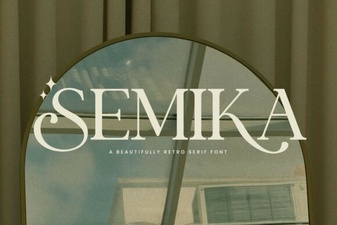 Semika Font: Creative Typography for Modern Projects
 A Fresh Font for Modern Design Projects
 Shina Qatline Font: Design Your Digital Statements
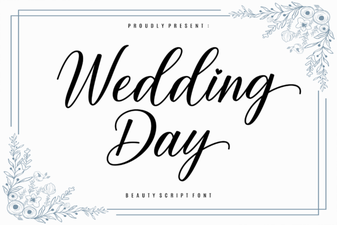 Choose the Perfect Font for Your Wedding Invitations
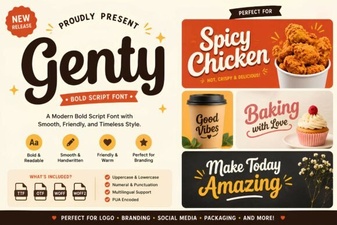 Genty Font: Creative Typography Projects & Examples
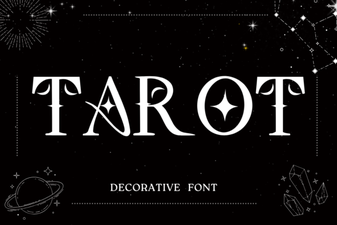 Designing Your Deck: Free Tarot Fonts & Creative Ideas