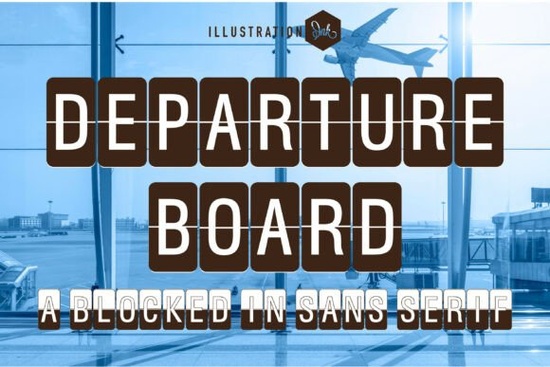
If you’ve ever stood in front of an old airport departure board, mesmerized by the clack-clack of flipping letters and the clean, bold display of flight info, then Departure Board Font is going to feel like a nostalgic hug for your next design. It’s not just another display font it’s a structured, capsule-style typeface built to mimic those classic split-flap signs from train stations and terminals around the world. Each uppercase letter sits neatly inside a tall, rounded rectangle, split right down the middle, giving your headlines that retro-industrial charm without sacrificing legibility.
This font works especially well if you’re designing for travel brands, boutique hotels, luggage tags, or even social media graphics that need to stand out with personality. The clean sans-serif base keeps things modern, while the encapsulated structure adds instant vintage appeal. You don’t need to be a pro designer to make it look great just pair it with simple layouts and let the font do the heavy lifting.
What kinds of projects does this font work best for?
Because of its strong visual identity, Departure Board shines when used as a headline or title font. Think:
- Travel blogs or magazines use it for article headers or cover titles to instantly set the mood.
- Etsy shop banners or print-on-demand products mugs, tote bags, or posters with phrases like “Next Stop: Adventure” or “Delayed But Not Defeated” look instantly more engaging.
- Vintage transit posters re-create that 1960s railway aesthetic with authentic typography.
- Office or café signage directional signs, menu boards, or motivational quotes framed in Departure Board add character without clutter.
- Social media templates Instagram carousels or Pinterest pins with bold, centered text pop against minimal backgrounds.
It’s not meant for body text the character capsules and uppercase-only style make it better suited for short bursts of attention-grabbing content. But for what it does, it does it really well.
How does it compare to other display fonts on Creative Fabrica?
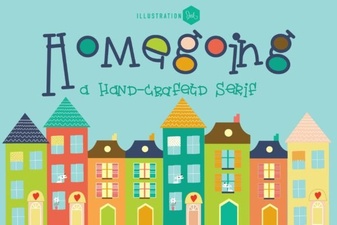
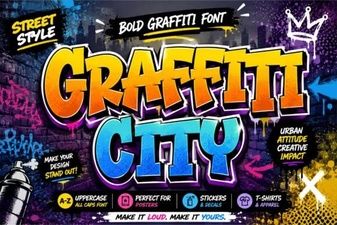
If you like the industrial-meets-retro vibe but want to explore similar styles, check out Brick Edgie for something chunkier and urban, or Retro Groovy Bundle if you’re leaning into 70s flair instead of transportation nostalgia. For street-art energy, Graffiti City brings bold spray-paint textures, while Homegoing offers a softer, hand-lettered contrast if you need something more personal and warm.
Each of these has its own personality, but Departure Board stands out because of its very specific inspiration real-world transit signage. That makes it uniquely suited for projects tied to movement, schedules, destinations, or even time-sensitive promotions (“Sale ends at Gate B!”).
Any tips for pairing it with other fonts or colors?
Absolutely. Since Departure Board already has strong visual weight, keep your supporting fonts simple. A thin sans-serif like Montserrat Light or a neutral serif like Lora works great for subheadings or descriptions. Avoid anything too decorative you don’t want to compete with the main attraction.
Color-wise, stick to high-contrast combos: black on cream, white on navy, or even mustard yellow on charcoal. If you’re going for authenticity, try pairing it with muted industrial tones think concrete gray, oxidized copper, or faded airline blue. A subtle texture overlay (like paper grain or metal scratches) can also enhance the vintage effect without overwhelming the design.
You can find the original Departure Board Font on Creative Fabrica, where it’s available for personal and commercial use, including POD platforms.
Can I use this for client work or merchandise?
Yes the standard license covers most small business uses, including selling physical products (like shirts, stickers, or prints) and digital templates (like Canva designs or social media kits). Just make sure you’re not redistributing the font file itself or using it in apps or software. If you’re working on a large-scale campaign or branding project for a major client, double-check the extended license options to stay covered.
One thing worth noting: because each letter is enclosed in its own capsule, spacing matters. Test your kerning, especially between narrow letters like “I” and wide ones like “W.” Sometimes a tiny manual adjustment makes the layout feel balanced instead of robotic.
Quick checklist before you start:
- Use it for headlines only not paragraphs.
- Pair with minimalist fonts avoid competing styles.
- Stick to high-contrast color schemes helps readability and retro vibe.
- Check your kerning tweak spacing if letters feel too tight or loose.
- Download from Departure Board Font grab the latest version with full character set and alternates.
Whether you’re designing a travel journal cover, a luggage tag collection, or a café menu that says “Boarding Now,” this font gives you instant atmosphere. No filters, no extra effects just plug it in and let the nostalgia do the talking.
Explore Design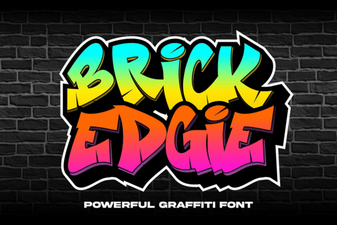 Brick Edgie Font for Bold & Creative Design Projects
 Your Guide to the Homegoing Display Font
 Graffiti Fonts for Urban Design Projects
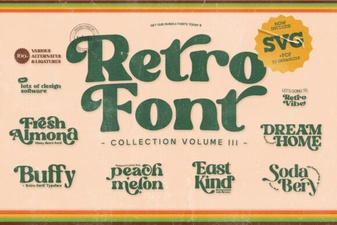 Groovy Retro Font Bundle for Creative Projects
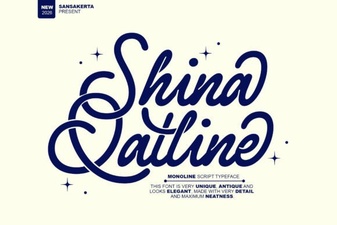 Shina Qatline Font: Design Your Digital Statements
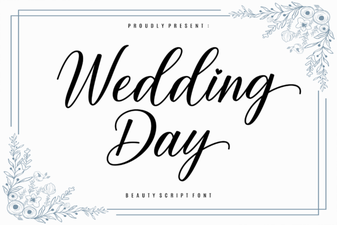 Choose the Perfect Font for Your Wedding Invitations